
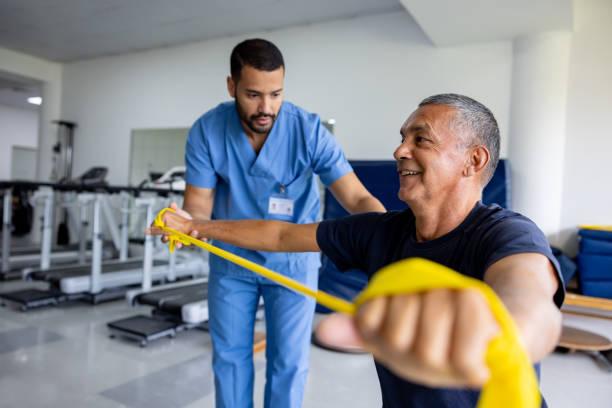
Supporting Recovery Beyond Physical Rehabilitation
Living with a neurological condition or physical disability can affect more than movement and physical function. It can also impact emotional well-being, relationships, confidence, independence, and everyday life. Our rehabilitation counselling service supports patients and their families as they navigate the challenges of disability, adjustment, and recovery.
What Our Counselling Covers
Emotional Adjustment & Coping
Supporting individuals as they adjust to life following stroke, neurological injury, disability, or significant functional changes.
Patient & Family Support
Helping families and caregivers understand the rehabilitation journey, manage caregiving challenges, and provide appropriate support.
Disability & Life Adjustment
Guidance on adapting to changes in physical ability, independence, relationships, and daily responsibilities.
Motivation & Recovery Support
Helping patients establish realistic goals, maintain engagement in rehabilitation, and navigate setbacks during recovery.
Reintegration & Independence
Supporting the transition back into family, social, educational, and work environments where possible.
Our Approach
Every patient's rehabilitation journey is different. Our counselling approach considers their personal circumstances, emotional needs, family environment, and recovery goals.
Where specialized psychological or psychiatric care is required, we encourage appropriate assessment and referral to qualified professionals.
We focus on:
Why Rehabilitation Counselling Matters
Recovery can be physically demanding and emotionally challenging. Appropriate counselling and support can help patients and families:
Recovery Involves the Whole Person
At De Pain & Paralysis Clinic, we believe rehabilitation should address the individual beyond their diagnosis.
By integrating rehabilitation counselling with our broader neurorehabilitation services, we aim to support not only functional improvement but also confidence, adaptation, and quality of life.
Frequently Asked
Questions
Rehabilitation counselling provides support to individuals adjusting to disability, neurological conditions, functional limitations and the emotional or social challenges associated with recovery.
Neurological conditions can affect confidence, identity, relationships, motivation and emotional well-being. Counselling can help individuals and families develop coping strategies and adapt to changing circumstances.
Yes. Where appropriate, family members and caregivers can receive guidance on supporting the patient, understanding rehabilitation goals and managing caregiving challenges.
Not necessarily. Rehabilitation counselling focuses on adjustment, coping, participation and independence in the context of disability or rehabilitation.