
Neuroacupuncture treats pain, movement issues, and neurological dysfunction.
Neuroacupuncture treatment at De Pain & Paralysis Clinic is applied as a targeted intervention for conditions involving pain, movement impairment, and neurological dysfunction. Our approach combines clinical neuroscience with structured acupuncture techniques to influence how the brain and nervous system process movement, sensation, and pain
“I developed severe neck pain on my return to Nigeria from the UK. I immediately proceeded to see a doctor who placed me on neck collar and requested for MRI scan. The report showed I was having nerve compression at the C4-C5 level with disc bulge. It was already giving me some pain in my arm and funny sensations. I contacted De Pain & Paralysis Clinic and had 7 treatment sessions in total. I was literally off the neck collar the next day of my first Neurostimulation treatment. I can say I am off the pain to a greater extent.”
Madam Lola Fadairo
Cervical spondylosis
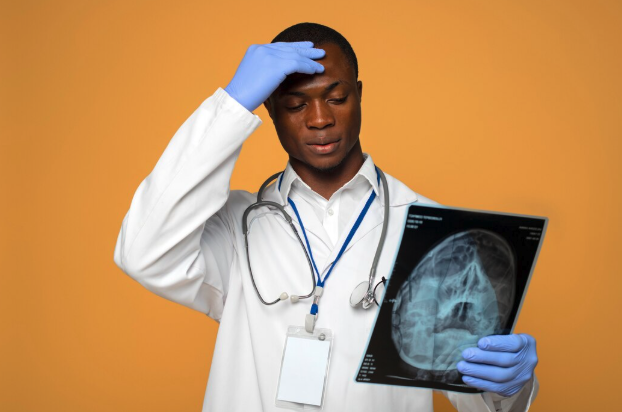
Neurological and pain conditions often involve disruption in
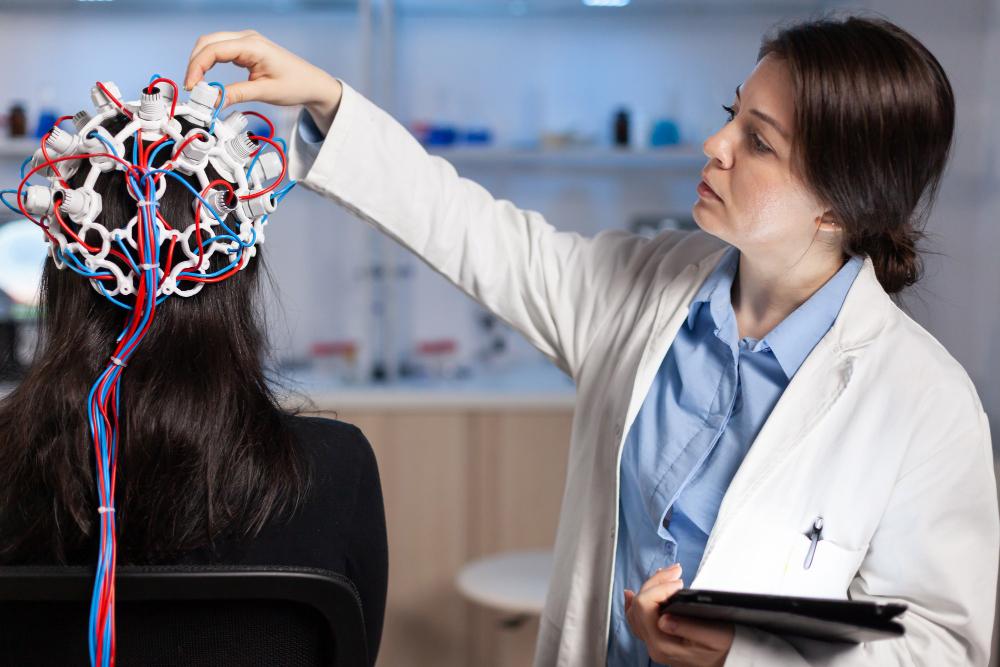
Just as how the brain activity can be conveniently studied/ monitored by placing electrodes on specific regions of the scalp corresponding to area of interest in Electroencephalography (EEG). Similarly, Neuroacupuncture is applied to specific scalp regions that correspond to functional areas of the brain. These regions act as accessible points through which neural activity can be influenced.
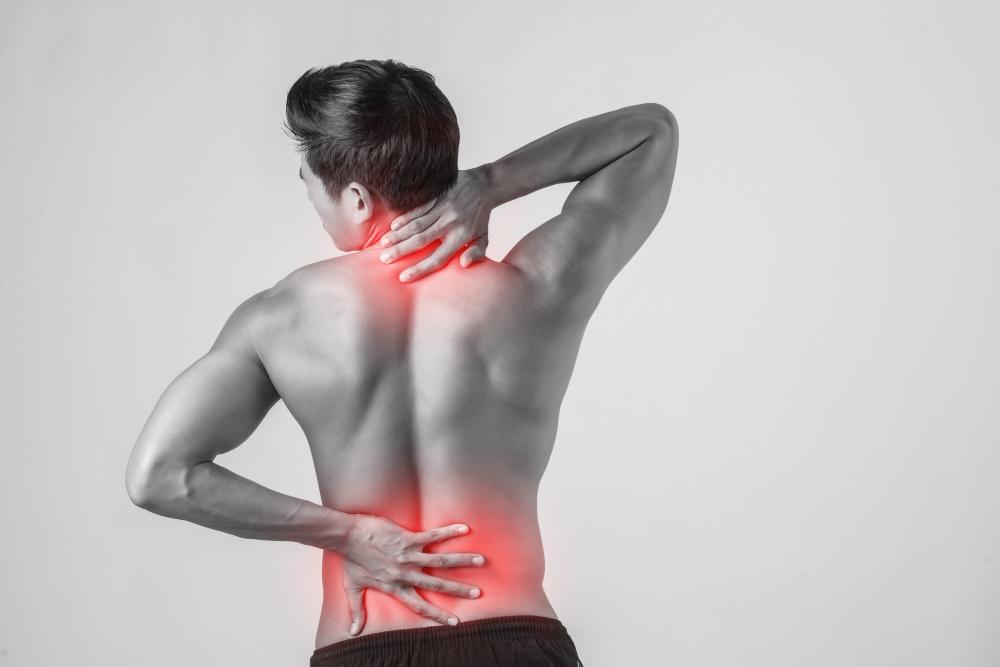
Pain Conditions
Clinical studies and observations show that stimulation at cortical-related scalp regions can modulate how pain is perceived and processed centrally .
Paralytic and Motor Conditions
By targeting motor and sensory cortical areas, treatment supports activation of pathways responsible for voluntary movement.
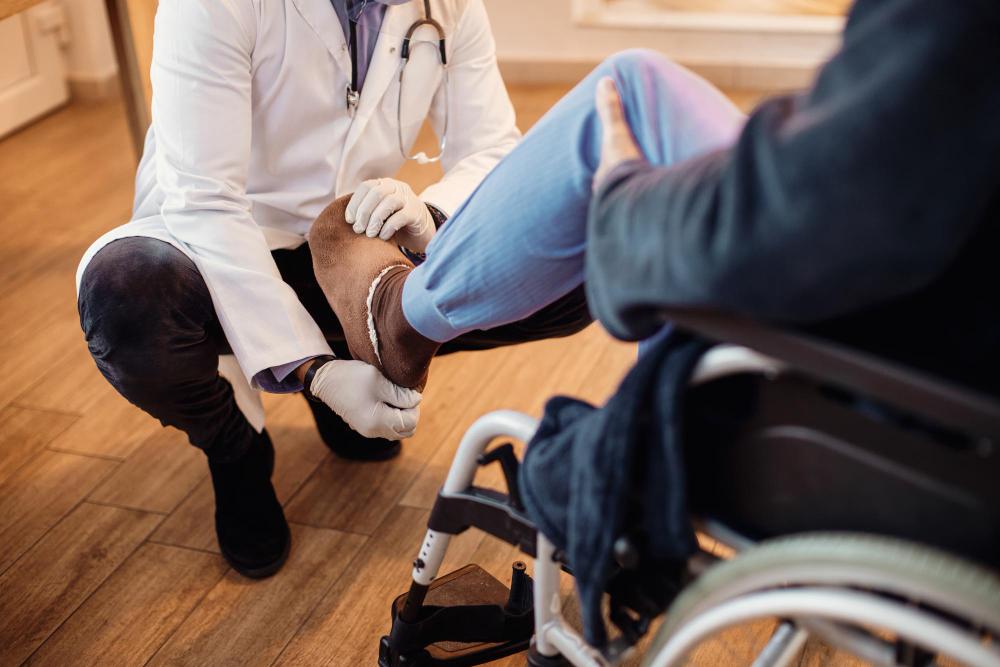
Neurological and Functional Disorders
Scalp-based stimulation has been widely applied in neurological rehabilitation settings, particularly where conventional interventions show limited functional recovery.
Brain Mapping-Based Stimulation
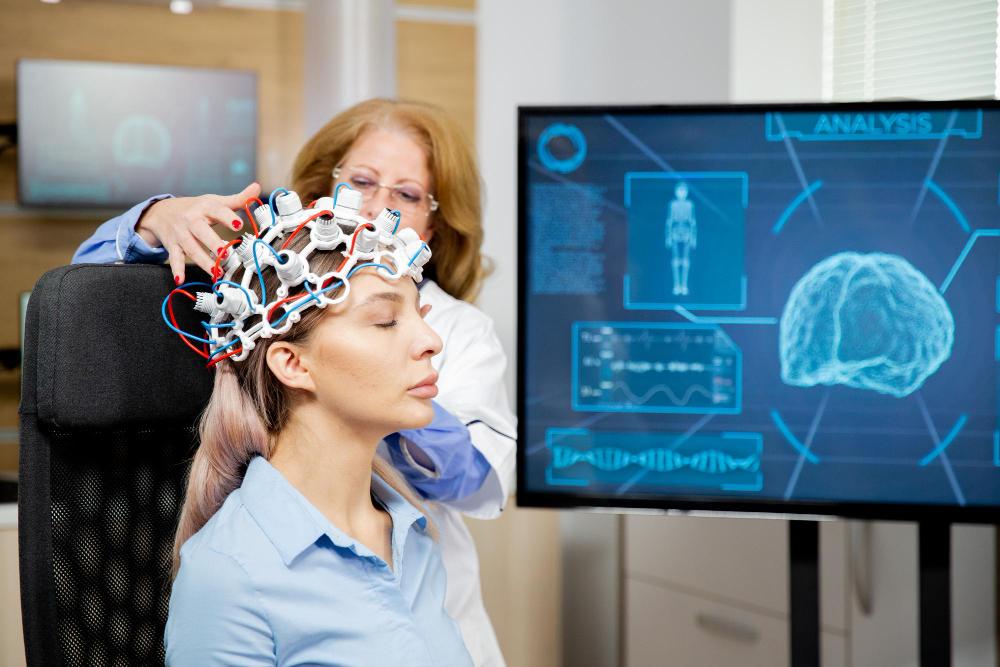
Brain Mapping-Based Stimulation
Based on clinical neuroscience, we use carefully defined scalp regions that correspond anatomically to brain functions such as the:
- Motor control area
- Sensory processing area
- Speech and coordination
These areas act as a functional map of the brain on the scalp, allowing targeted stimulation of specific neurological functions as the case requires.
Electrical Stimulation (When Required)
In selected cases, electrical stimulation is applied to enhance the intensity and consistency of neural input as this supports an improved neuromuscular activation and more consistent stimulation patterns. Not only that, electrostimulation provides room for better integration with rehabilitation exercises in paralytic conditions especially.
Integration with Rehabilitation
Oftentimes, we do not use neuroacupuncture in isolation in managing neurological conditions. Our treatment is typically combined with:
- Neurorehabilitation
- Movement retraining
- Manual therapy where indicated
This allows stimulation effects to initiate an actual functional improvement, not just temporary changes.
What Patients Commonly Notice
From our clinical experience, many patients report:
- Immediate reduction in pain intensity (including chronic/long-standing cases)
- Instantaneous improved muscle activation in weak limbs
- Better coordination and movement control
- Reduction in stiffness or abnormal tone
- Improved response to rehabilitation
While outcomes vary depending on the condition and severity, we consistently observe meaningful improvement in a significant proportion of cases we have attended to during their follow-up treatment program.
Clinical Case Snapshots
To further illustrate real-world application, below are selected representative clinical response patterns observed in our practice:
Frequently Asked
Questions
Neuroacupuncture is a specialized approach to acupuncture that considers the relationship between the nervous system, sensory pathways and functional responses, in other words, Clinical Neuroscience. It uses selected acupuncture techniques as part of an individualized treatment programme.
Unlike regular Traditional Acupuncture, our Neuroacupuncture practice does not strictly follow the philosophical theories of Qi, Zang-Fu Organ, Chinese Organ Clock etc. Rather, our Neuroacupuncture places particular emphasis on the affected neurological pathway, neurophysiology and lesion localization and the selection of stimulation sites in relation to specific clinical objectives. Its application may differ according to the condition being managed.
Our specially advanced Neuroacupuncture techniques provide rapid and faster recovery results for stroke and other neurological conditions starting from your initial diagnostic neurostimulation treatment during consultation visit.
Most patients tolerate acupuncture needles well. You may experience mild pressure, tingling or a brief sensation during needle insertion or stimulation. Techniques are adjusted according to individual tolerance.
This depends on the patient's condition, severity, treatment goals and response. An individualized treatment recommendation would be provided following your assessment.