
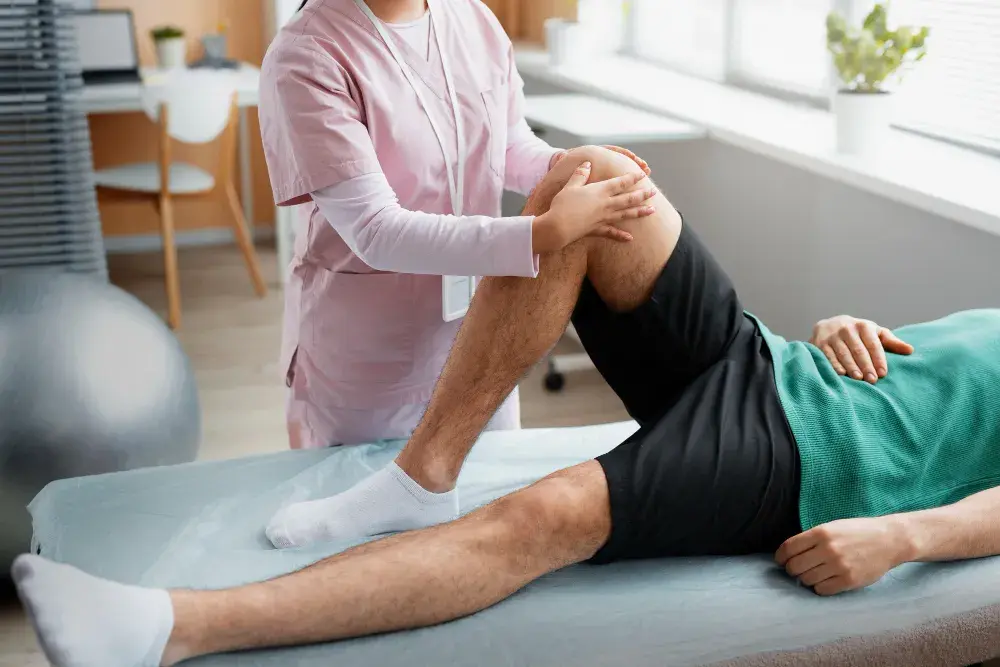
Restoring Movement. Reducing Pain.
Our physical therapy service is targeted at restoring movement and reducing pain in patients with musculoskeletal and orthopaedic conditions. We approach treatment from a clinical and functional standpoint—looking beyond the site of pain to understand how movement patterns, joint mechanics, and tissue loading contribute to the problem.
How We Approach Treatment
We begin by identifying the mechanical drivers of pain—could be joint restriction, muscle imbalance, or poor movement control. Treatment is then structured to address these factors in a progressive manner.
Manual techniques are used where necessary, but the focus remains on active recovery and functional improvement.
Conditions We Commonly Manage
What Patients Typically Notice
With consistent treatment, patients often report reduced pain, improved mobility, and better control during daily activities. Our goal is not temporary relief, but sustainable movement recovery.
Start Your Movement Recovery
If you are experiencing orthopaedic or musculoskeletal pain, our team can assess your condition and develop a progressive treatment programme focused on sustainable movement recovery.
Frequently Asked
Questions
Physical therapy is a healthcare discipline focused on improving movement, strength, mobility and physical function through therapeutic exercise, manual techniques and other appropriate physical interventions.
Yes. Depending on the underlying diagnosis, physical therapy may include therapeutic exercise, movement retraining, manual techniques and education to improve function and support pain management.
In many cases, yes. Home exercises may be recommended to reinforce improvements made during your supervised treatment in the clinic and encourage consistent progress. This is crucial for conditions presenting with neurological deficits.
They share some principles but have different clinical emphases. Physical therapy may address a broad range of musculoskeletal and movement conditions, while neurophysiotherapy focuses specifically on movement and functional limitations arising from neurological disorders or injuries.